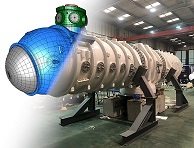
FCL have successfully completed a number of assignments for prestigious clients in the transport industry.


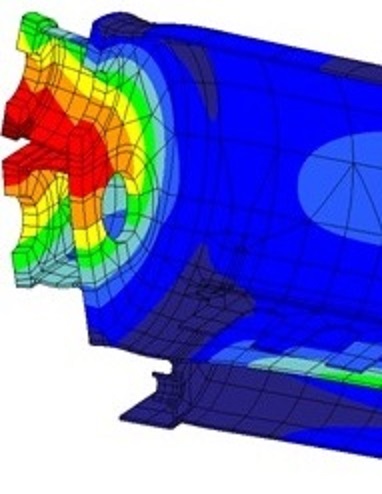
Notable projects in the automotive sector have included: the tare weight (unladen weight) reduction of an HGV curtain-sided trailer, modal and forced vibration analysis of passenger vehicle exhaust systems to achieve acceptable noise-vibration-harshness (NVH), and passenger vehicle fuel tank design development to solve longevity issues.
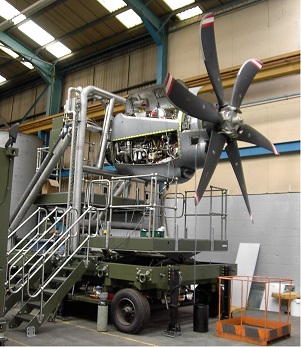
We have also been active in the aviation sector where we have found considerable interest in our services from companies specialising in the design, manufacture and installation of aerospace related test facilities and military aircraft refuelling systems.
Case studies covering two of the numerous projects undertaken by FCL for clients in the transport industry can be viewed by clicking on the links below.
FAQs
Added March 2026.
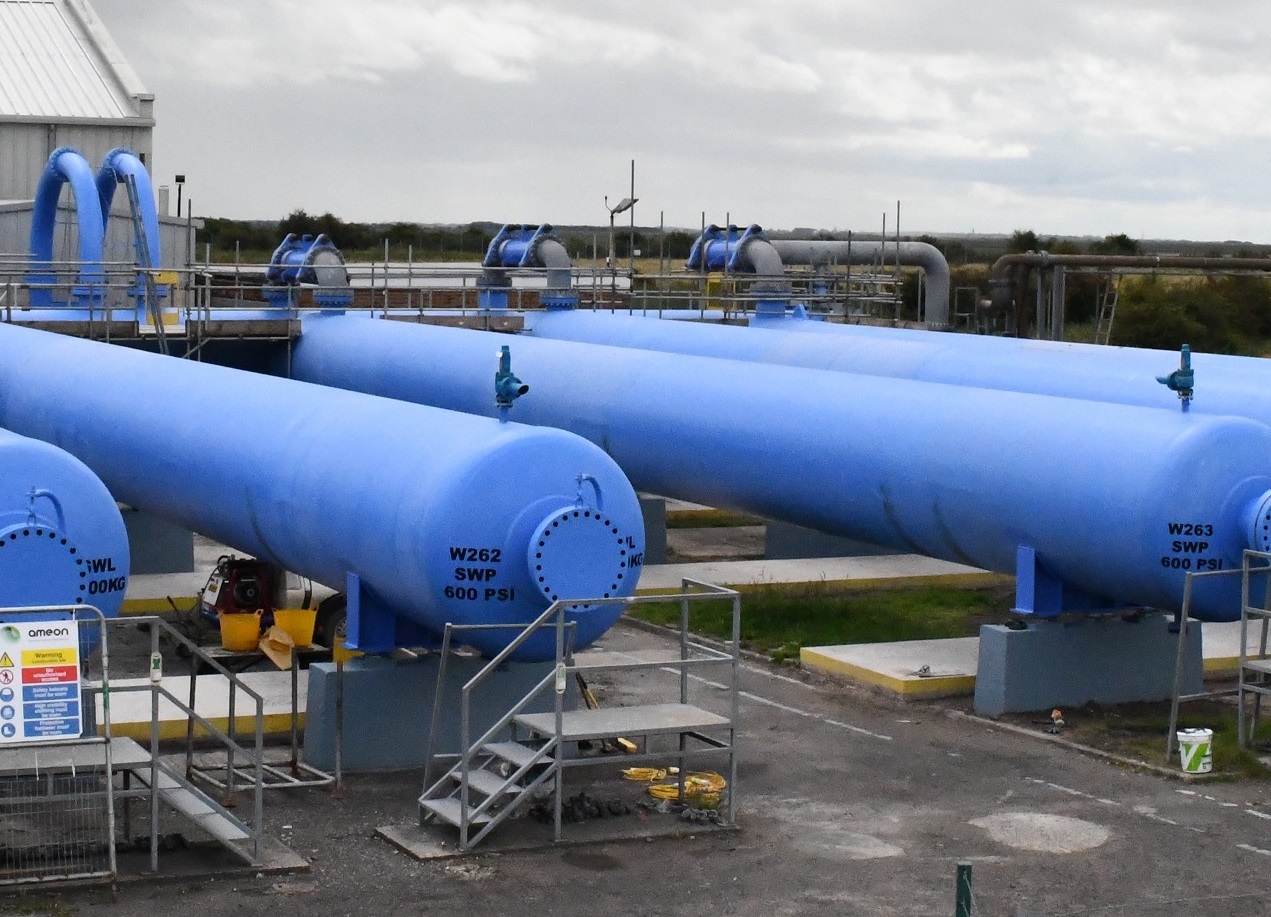
Many transport assets are exposed to in-service conditions (loading and/or environmental) that can cause progressive degradation over time. Structural integrity assessments are necessary for any item where failure could cause safety risks, operational disruption, or economic loss. FCL's core expertise is in the structural integrity assessment of pressurised items in the transport industry, but our wide-ranging knowledge of engineering principles also makes us highly suited to the integrity assessment of an extensive range of other structures such as HGV trailers, vehicle exhaust systems and fuel tanks, and aeroengine test beds.
As for many other areas, asset integrity of items in the transport industry is founded on sound design and fabrication to the necessary level of quality, followed by the application of an appropriate system of conditioning monitoring and risk-based inspection. FCL can assist in the preparation of structural integrity assessments to provide additional confidence in the margins available and to educate future inspection activities.
Cyclic service assessment, or fatigue assessment, involves establishing whether a component is susceptible to the development and subsequent growth of fatigue cracks due to the application of fluctuating loads during the specified design life. For pressurised containers, we would typically perform such an assessment in accordance with rules provided in ASME Section VIII Division 2 Part 5 and PD5500 Annex C. For other structures, we also have experience in the application of methods provided in BS 7608.

Please use this form if you have any questions about our capabilities or would like to obtain a quotation.
Alternatively, you are welcome to call or contact us by e-mail.
+44 (0)1992 585450 enquiries@finglowconsultants.co.ukYour enquiry has been safely and securely received. Our office is open weekdays from 9am to 5pm - you can expect a response during the next 2-3 working hours.