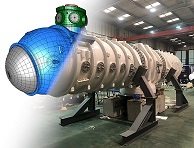
FCL’s expertise has assisted a number of high-profile clients in the pharmaceutical industry.


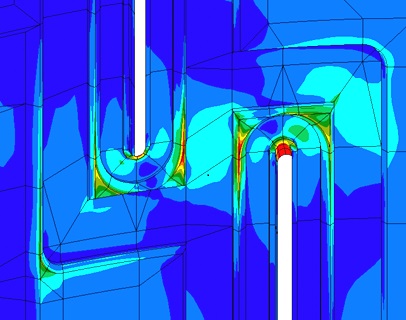
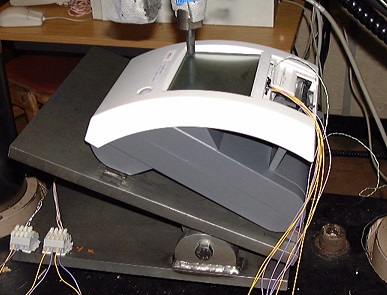
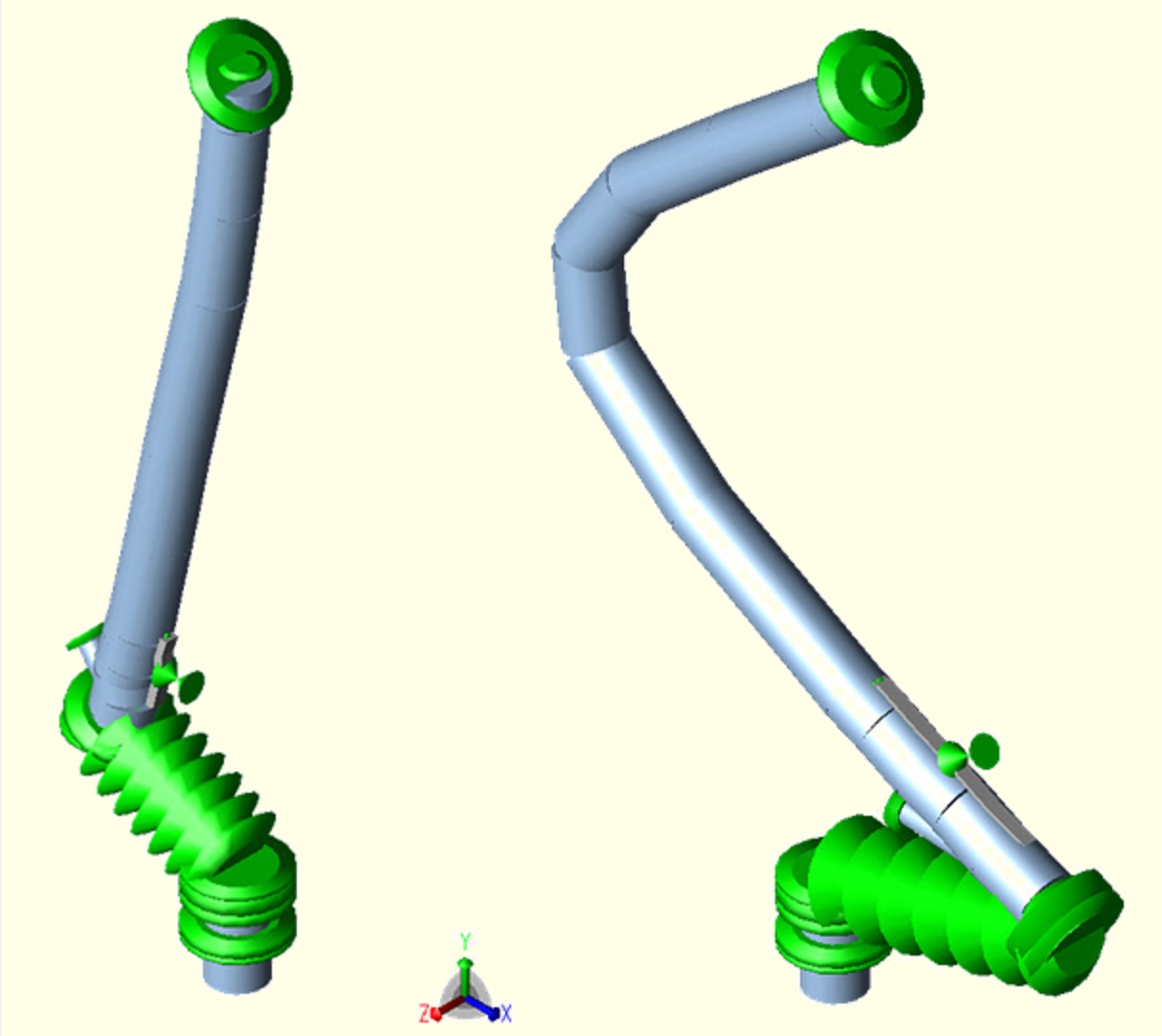
Our assistance has ranged from providing design services and structural integrity assessment for the pressurised equipment that is central to the mass-production of many medicines, through to the independent assessment of prototype medical instruments.
Specific items that we have worked on have included: a batch extraction tank; a pseudobatch reactor vessel for latex polymer production; a fermenter vessel with external limpet coil used in vitamin supplement production; autoclaves used for the sterilisation of medical equipment; and a touch-screen medical instrument used to analyse blood gases.
If you are interested in reading more, case studies covering work carried out in the pharmaceutical industry can be viewed by clicking on the links below.
FAQs
Added March 2026.
The design requirements for pharmaceutical equipment are stricter than for food processing equipment, and hygienic design is paramount in ensuring the quality and safety of the product. Attention must typically be given to the ability for clean-in-place/sterilise in place (CIP/SIP), and strict compliance must be achieved to all relevant regulatory requirements including ASME BPE, FDA cGMP (Food & Drug Administration current Good Manufacturing Practice) regulations, and EHEDG (European Hygienic Engineering and Design Group) guidelines. Detailed attention must also be given to ensuring correct integration with process control systems to permit the required level of production quality.
In addition to the pressure vessel codes and regulations which underpin the structural requirements of the pressure envelope, such as ASME Section VIII Division 1 or Division 2, EN 13445, PD5500 and the PED, pharmaceutical pressure vessels must also comply with supplementary standards such as ASME BPE, FDA cGMP regulations, and EHEDG guidelines.
Hygienic design principles require careful attention to material selection and to the equipment design to ensure that all surfaces are smooth and readily cleanable with no cracks, crevices, rough surfaces or recesses / corners which are difficult to access for cleaning and inspection. Hygienic design principles are also likely to affect the design and provision of drainage points and access openings.
Yes, existing equipment can be modified and re-purposed but only if the changes made preserve or improve the existing compliance with the appropriate regulations (e.g. ASME BPE or FDA cGMP). Where the new process requires re-rating of the pressure envelope (i.e. for increased design pressure and/or temperature) this must be underwritten by the preparation of an appropriate set of new design calculations to the selected pressure vessel code.

Please use this form if you have any questions about our capabilities or would like to obtain a quotation.
Alternatively, you are welcome to call or contact us by e-mail.
+44 (0)1992 585450 enquiries@finglowconsultants.co.ukYour enquiry has been safely and securely received. Our office is open weekdays from 9am to 5pm - you can expect a response during the next 2-3 working hours.